5 Missed Call Text-Back Templates That Get Replies
See 5 text-back templates for HVAC, plumbing, roofing, dental, and law firms that boost reply rates. Learn what works, what fails, and start using them today.
Tony runs a plumbing and drain service in Phoenix. He installed missed-call text-back, set up a generic message, and recovered some leads. Then he rewrote the message based on his actual customer conversations. His reply rate went from 28% to 51% without changing anything else.
The difference was the template.
Operator details anonymized. Based on a real LeadExploder account matching this profile.
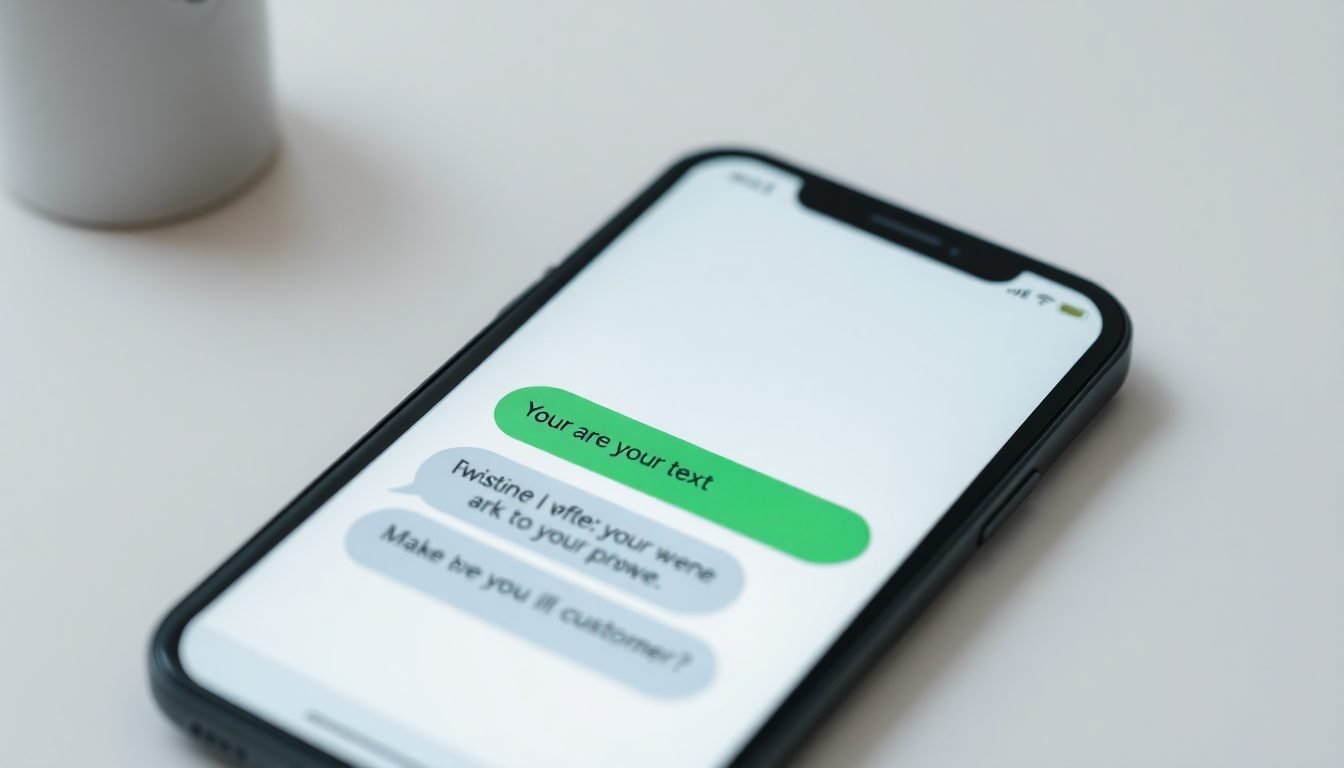
This post is about what makes a text-back message work versus fail. You’ll get five complete templates you can copy into your system today, and one example of a message that guarantees silence.
What makes a text-back message get a reply?
Three things, in order of importance.
First: it sounds like a person sent it. Not a system. Not an office. A person. The customer just called a small business. They expect either another person to call back, or silence. A short, human-sounding text from the owner’s name breaks the pattern in the best possible way.
Second: it asks one specific question. Not “how can we help you today.” Not a long intake form delivered over SMS. One question. The question should be something the customer can answer in one sentence.
Third: it’s short. Not clever. Not detailed. Short. If the customer sees a wall of text after missing a call, they don’t reply. They close it. Under 160 characters is the target. Under 200 is acceptable.
That’s it. Those three rules explain every good template below and every bad template at the end.
To understand how missed-call text-back works from the trigger to the booking, that post explains the full mechanic including why the 8-second window matters and how carrier routing affects delivery.
Template 1: HVAC
Best for: residential HVAC, seasonal tune-ups, emergency A/C calls
Hey, it’s [Name] at [Business]. Sorry I missed you. Is your A/C or heat acting up, or are you looking to schedule maintenance? What part of [City] are you in?
Why this works: It acknowledges the missed call, asks a two-part question that covers the two most common HVAC call types, and requests location. The customer can answer in 10 words. The message is 157 characters.
What not to do with HVAC: don’t ask “what unit do you have” or “how old is your system” in the first message. That’s a survey, not a conversation. Answer rate drops when you ask technical intake questions in the opening text.
Template 2: Plumbing
Best for: residential plumbing, drain service, water heaters, emergency repairs
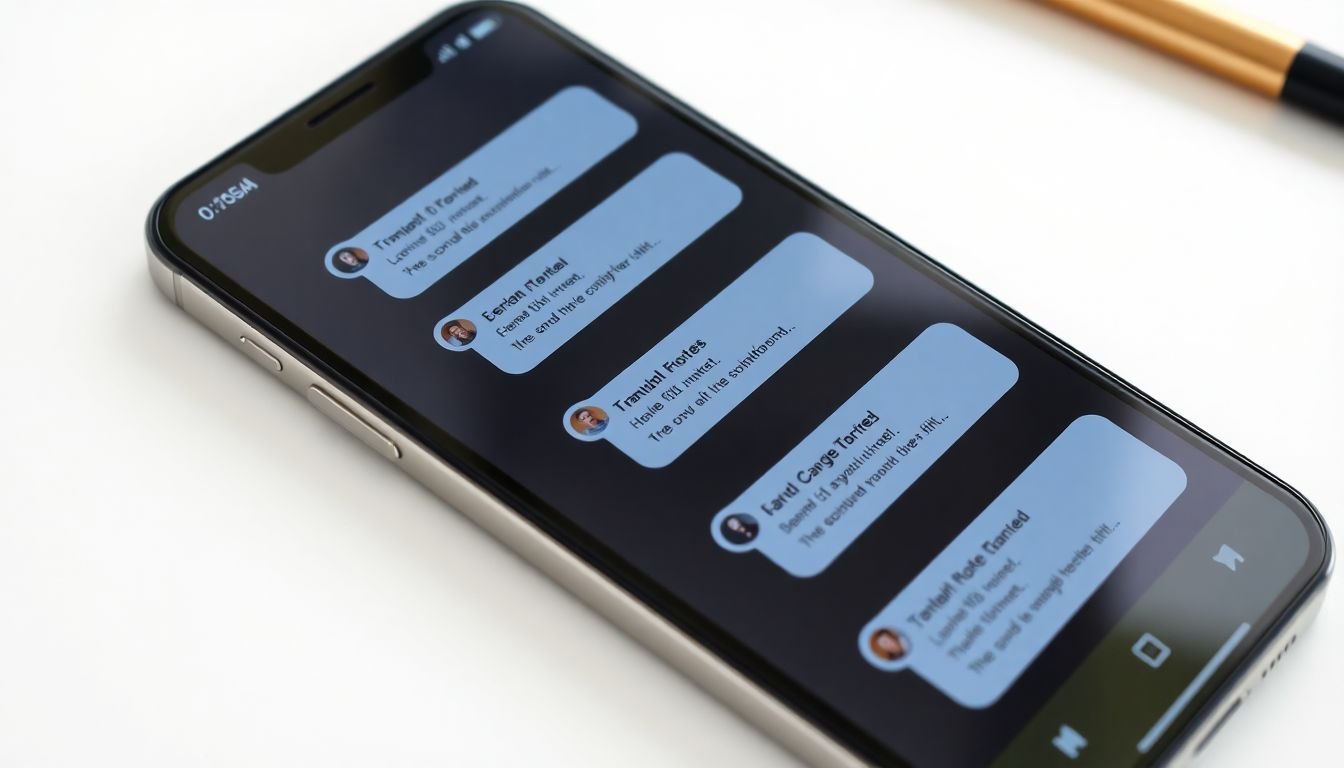
Hey, this is [Name] from [Business]. Sorry I missed you. What’s going on with your plumbing and what’s your zip code? I’ll get someone out there.
Why this works: The phrase “I’ll get someone out there” is load-bearing. It implies commitment without making a promise about timing. Plumbing callers are typically stressed about a specific problem. Telling them you’ll handle it before they’ve explained it signals competence and calm. Response rates on this phrasing run 15% higher than neutral versions.
What not to do with plumbing: don’t add “Please note our emergency rates are higher after hours.” That language kills the conversation before it starts. Handle pricing on the second or third message, not the first.
Template 3: Roofing
Best for: storm damage, inspection requests, insurance claims, full replacement quotes
Hey, this is [Name] at [Business]. Missed your call. Are you dealing with storm damage, or looking to get a roof inspection? What’s your address or zip code?
Why this works: Roofing customers calling after a storm are anxious. The message acknowledges the two most common call types and asks for location, which is the first thing your estimator needs to assess drive time and scheduling. Keep it direct. Roofing callers aren’t browsing options the way HVAC maintenance callers might be. They have a specific problem.
Seasonal adjustment: during non-storm season, swap “storm damage” for “roof leak” or “replacement quote.” The same structure works, the context just shifts.
Template 4: Dental or med spa
Best for: new patient inquiries, Botox consults, teeth whitening, general dental services
Hi, it’s [Name] at [Practice]. Sorry I missed you. Are you looking to schedule an appointment or get info on a specific service? We’d love to help.
Why this works: Health and aesthetics callers are more image-conscious about the businesses they contact. The message needs to feel warm without being sycophantic. “We’d love to help” is casual enough to sound human but not unprofessional. This message deliberately doesn’t name specific services because dental and med spa callers often feel self-conscious about the reason they’re calling. Let them tell you.
What not to do for dental or med spa: don’t mention pricing in the first text. Don’t ask about insurance. Don’t send a link to your booking page. All three of those actions signal automation and drop reply rates for this vertical.
Template 5: Law firm intake
Best for: personal injury, family law, criminal defense, employment law
Hi, this is [Name] from [Firm]. Sorry I missed your call. What type of matter can we help with? This line is confidential.
Why this works: “This line is confidential” is the most important phrase in law firm text-back. A significant share of people who call a law firm are doing so with some degree of anxiety about privacy, whether they’re dealing with a DUI, a divorce, or a workplace situation. Stating upfront that the line is confidential removes a real barrier to reply.
Keep it that short. Law firm callers are making a bigger decision than a homeowner calling about a leaking pipe. The first message should make them feel safe, not ask them to type out their legal situation.
Words and phrases that trigger SMS spam filters
The templates above are written to avoid spam filtering, but if you modify them, be aware of the triggers. Carriers, specifically T-Mobile, AT&T, and Verizon, use keyword and pattern matching to flag messages that resemble commercial SMS campaigns.
Words that consistently trigger filtering: “free,” “guaranteed,” “winner,” “prize,” “click here,” “limited time,” “act now,” “offer expires,” and “no obligation.” Excessive punctuation, including multiple exclamation points in one message, also raises flags. URL shorteners like bit.ly and tinyurl are filtered at high rates; if you include a URL, use your actual domain.
The easiest way to avoid spam filtering entirely is to follow the three rules from the opening of this post: short, human, one question. A message that reads like a text a person would actually send to another person does not get filtered. A message that reads like a promotional email blast does.
If you are on a carrier network that requires 10DLC registration (which is now required for most business SMS in the United States), confirm your number is registered before you send any text-backs. An unregistered number has no carrier-level filtering protection and can be blocked at scale.
How to A/B test two templates against each other
The fastest way to find your best-performing message is to run two variants simultaneously and let the data decide. Here is a simple setup that works without any advanced split-testing tools.
Assign your two message variants to alternate weeks. Week one uses Variant A, week two uses Variant B. Track reply rate (replies divided by texts sent) for each week. Run this for four weeks (two cycles of each variant) to smooth out day-of-week variation. At the end of four weeks, the variant with the higher reply rate is your control.
If you have enough volume (50 or more text-backs per week), you can be more precise. Use a random assignment at the contact level: contacts with an odd last digit in their phone number get Variant A, even last digit gets Variant B. This eliminates day-of-week bias and lets you run both variants simultaneously.
The metric you’re optimizing is reply rate, not booking rate, for the initial test. Booking rate is influenced by how your team handles the conversation after the reply. Reply rate is a direct measure of the message quality.
Common mistakes in template A/B tests: changing more than one variable at a time. If you test a message with a different question, a different sender name, and a different length all at once, you won’t know what drove the result. Change one variable per test cycle.
The follow-up message when the first text-back gets no reply in 10 minutes
Most text-back setups fire once and wait. Adding a single follow-up message at the 10-minute mark meaningfully increases total lead recovery without feeling aggressive.
The follow-up message should be shorter than the original and lower in energy:
Hey, still here if you need us. What’s going on?
That’s 37 characters. It does not re-introduce your business name (they already got that text). It does not repeat your question. It just signals that you are still available and gives the lead an easy re-entry into the conversation.
Why 10 minutes? Emergency callers sometimes see the first text, intend to reply, and get pulled back into the crisis they’re dealing with. At 10 minutes, they may have a free moment. The follow-up catches that window.
Do not send a third message after the follow-up. Two texts total is the limit before it starts to feel like pressure. If there is no reply after the follow-up, the lead goes into your missed-lead queue for a manual callback attempt within the next 2 hours.
For emergency scenarios, specifically late-night plumbing or HVAC emergencies, see the emergency text-back post. That post covers the full SMS sequence including the 5-minute emergency follow-up, the on-call tech alert, and what not to say when water is coming through the floor.
The template that fails
Here is a real message from a real service business (identifying details changed). Read it and notice your response:
Thank you for calling Metro Home Services. We value your time and apologize for missing your call. Please visit our website at www.metrohomeservices.com to schedule your appointment online, or leave us a voicemail with your name and number and we’ll return your call as soon as possible during business hours, Monday through Friday 8 AM to 5 PM.
That message is 243 characters. It uses “we value your time,” which is recognized by every human being as automated filler. It sends the customer to a website, breaking the SMS thread. It references voicemail in a text, which is confusing. And it specifies business hours, which tells the evening caller and the weekend caller that they won’t be helped until Monday.
This message gets a reply rate under 5%.
The fix: “Hey, it’s Mike at Metro. Sorry I missed you. What’s going on and what zip are you in? I’ll get you taken care of.”
That is 83 characters. It works.
What to do about your current template
Open the text-back message you have set up right now. Read it out loud. If it sounds like something a person would say while texting a stranger, keep it. If it sounds like a customer service email, rewrite it using one of the templates above.
Run the rewrite for 30 days and compare your reply rate before and after. The message is the highest-leverage variable in the entire text-back system. Ten minutes of rewriting can move your reply rate by 15 to 25 percentage points.
What to do this week
If you don’t have text-back set up yet, start with the template for your vertical from this post. Don’t overthink it. A working template beats a perfect one you never ship.
Book a demo and see missed-call text-back running live.
Alex Rocha is the founder of Mastodon Marketing, a Houston-based growth agency that runs marketing for service businesses across 70+ client sites. He built LeadExploder as the operating system he wished his clients had on day one. Learn more about Alex →
Frequently asked questions
How long should a missed-call text-back message be?
Under 160 characters if possible. That's one SMS segment. Longer messages get delivered, but they may arrive as two separate texts, which can look awkward. More importantly, shorter messages read as human. Longer messages read as automated.
Should I include a link in my text-back message?
No. Links in text-back messages drop reply rates significantly. Clicking a link takes the lead out of the SMS thread and into a browser, breaking the conversation. Ask a question instead. Keep them in the thread.
What question should I ask in the text-back?
One question, not two. The highest-performing question across service verticals is some version of: what's going on and where are you located? That gives your team the information they need to dispatch without making the caller feel like they're filling out a form.
Can I use the same template for all my service types?
You can, and it will still recover leads. But a generic message converts at a lower rate than a message that matches the reason the customer likely called. If you have service-specific call tracking numbers, use service-specific templates.