After-Hours Intake for Criminal Defense
40% of DWI arrests happen Friday to Sunday when intake teams are offline. See the exact flow that signs cases before sunrise.
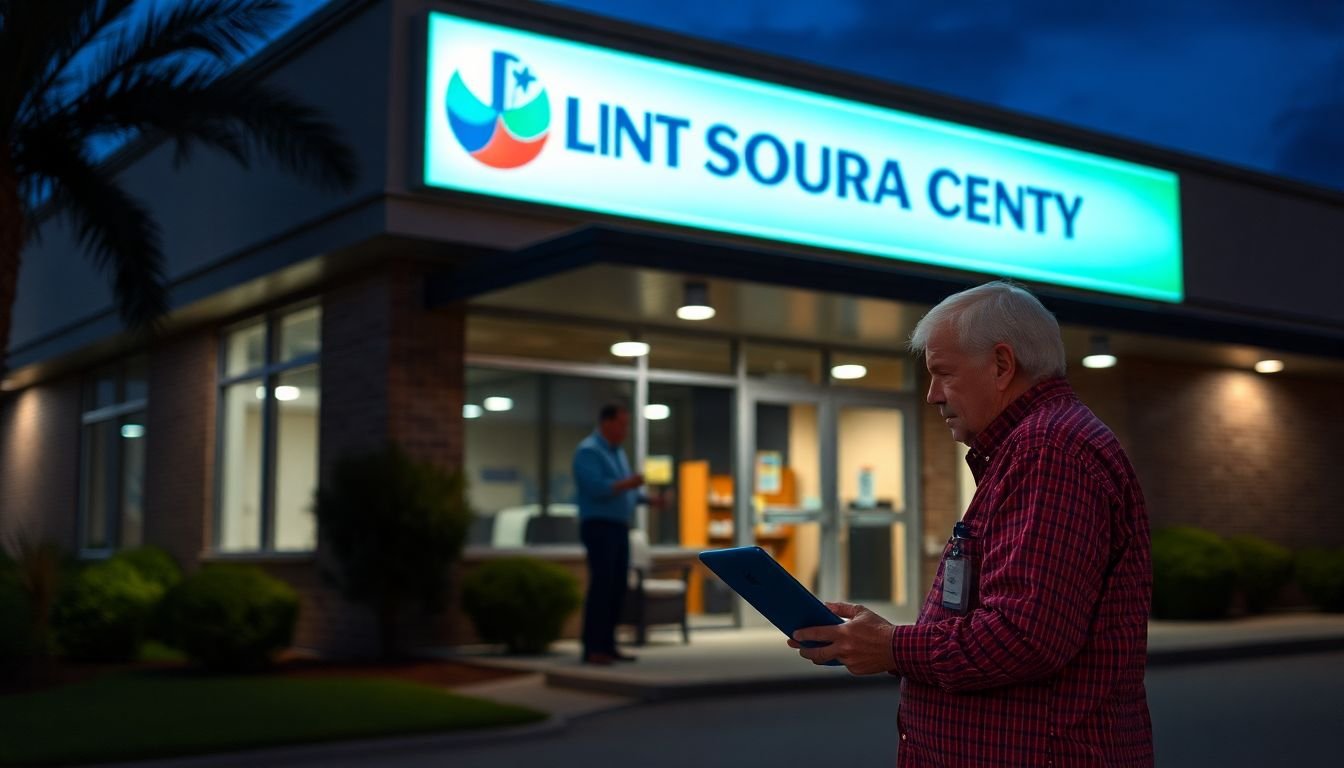
Janet’s husband was arrested for DWI at 1:38 AM on a Saturday in Harris County. She is in the parking lot of the Joint Processing Center at 2:12 AM. She is shaking. She is on her phone, googling “criminal defense attorney Houston,” because she got a collect call from a number she did not recognize and a voice that told her he needed a lawyer tonight.
She calls four firms. Three go to voicemail. The fourth picks up.
The intake takes 11 minutes. The engagement letter lands in Janet’s inbox at 2:24 AM. She signs it on her phone before she has left the parking lot. Her husband has an attorney before the Harris County system has finished processing him. The other three firms will check their missed call logs Monday morning, see a 2:17 AM call, and have no idea they just lost a $6,000 case to a competitor who built a 24-hour intake system.
Case details anonymized. Based on a real LeadExploder law firm account matching this profile.

When do DWI arrests actually happen?
DWI bookings in Harris County are not evenly distributed across the week. They cluster hard on Friday night through Sunday morning. Based on NHTSA Traffic Safety Facts Annual Report (nhtsa.gov) drinking pattern research and Texas DPS booking data, approximately 40% of all weekly DWI arrests in Texas occur in that window, roughly Friday at 11 PM through Sunday at 4 AM.
That is not a narrow niche. That is the primary booking window for the highest-volume criminal case type in the state. And it maps almost perfectly onto the hours when every traditional firm’s intake team is offline.
The phone rings at 2 AM. Nobody answers. The family calls the next firm on the Google results page.
Firms that have solved PI firm intake automation already understand the core problem: your best leads arrive when you are not watching. Criminal defense after-hours is the same problem with a harder deadline, because the ALR clock starts at arrest.
Who is actually calling, and what do they need first?
The defendant is in custody. They are not calling anyone.
The caller is the spouse, the parent, the adult sibling. They are standing in a parking lot or sitting at a kitchen table at 2 in the morning. They received a collect call from a jail that sounded like a recording. They do not know what a Joint Processing Center is. They do not know what ALR means. They do not know if their husband is going to lose his license tomorrow or in three weeks or ever.
What they need before anything else is to feel like someone is in control of the situation. They cannot give you accurate information until they feel that. The intake script has to handle that first.
This is where most automated systems fail. They ask for a case number at step one. Janet does not have a case number. She has a husband who has not been processed yet and a phone with 18% battery.
What does the intake script actually look like?
A DWI after-hours intake flow for criminal defense runs seven steps, in this order, with the de-escalation opener before any data collection.
- De-escalation opener. “You’re in the right place. Let’s figure out what’s going on together.” The caller needs to hear that someone competent is on the other end before they can answer questions accurately.
- Relationship to the defendant. Spouse, parent, sibling, friend. This determines the information the caller is likely to have and how frightened they are likely to be.
- Booking county and facility. Harris County JPC, Fort Bend County jail, Montgomery County, etc. This tells the firm which court system is involved and what the likely processing timeline is.
- Suspected charge. DWI first offense, DWI with a minor, DWI second, felony DWI. The caller usually knows because it was in the collect call or the arresting officer told the family.
- Prior offenses the caller is aware of. Not what the defendant told them, just what they know. This affects case value and urgency.
- Conflict screen. The defendant’s full name runs against the firm’s active and closed matter database. If there is a conflict, the system flags it and the intake stops cleanly with a referral to the caller.
- ALR clock start. The system captures the arrest date and time, calculates the 15-day ALR deadline, and calendars it automatically. This step is non-negotiable for DWI.
The ALR deadline is the detail that separates a competent DWI intake from an incomplete one. In Texas, the defendant has exactly 15 days from the arrest date to request an Administrative License Revocation hearing. Miss it and the driver’s license is automatically suspended, independent of anything that happens in the criminal case. The intake system has to capture the arrest date and calendar the filing deadline without relying on anyone to remember.
The Texas ALR hearing: what it is, what happens when it is missed, and how intake handles it
The Administrative License Revocation process is a civil proceeding that runs parallel to the criminal DWI case. It is not part of the criminal court. It is not decided by the same judge. And it has its own, entirely separate deadline: 15 days from the date of arrest to request a hearing before the Texas State Office of Administrative Hearings.
If the hearing request is not filed within 15 days, the Texas Department of Public Safety automatically suspends the driver’s license. For a first-offense DWI with a BAC above 0.08, the suspension is 90 days. For a refusal to provide a breath or blood sample, the automatic suspension is 180 days. The license is gone before the criminal case has even been set for arraignment.
Most families calling at 2 AM on a Saturday have no idea the ALR clock is already running. The intake system has to capture the arrest date and time, calculate the deadline, and calendar it to both the assigned attorney and the firm’s docket management system automatically, without waiting for business hours. If the arrest happened on a Friday night and the family calls Saturday morning, the firm may already be 12 hours into a 360-hour window.
The intake captures the arrest date in plain language from the caller. “He was arrested last night, around midnight” gives the system enough information to set the calendar alert. The attorney reviews the specific time on Monday and refines the deadline if needed. The important thing is that the flag is placed immediately, not on Monday when someone finally reads the intake notes.
The Harris County Joint Processing Center: what the family should expect tonight

Families calling from the Harris County JPC parking lot often have no frame of reference for how long the process will take. The uncertainty makes the emotional distress worse. Part of what the intake can do is set realistic expectations.
The JPC processes arrests from Houston PD and Harris County Sheriff’s Office. A DWI arrest at 1:38 AM on a Saturday night during a busy weekend will enter a processing backlog that typically runs 8 to 14 hours from booking to bond posting, depending on volume, whether a magistrate is available, and whether the defendant qualifies for a personal recognizance bond or needs a surety bond. During high-volume weekends, processing at JPC can extend to 18 or more hours (LeadExploder law firm account intake data, 2024-2025).
The intake SMS that goes to Janet after the call ends includes a plain-language timeline estimate:
“Based on a typical Saturday night at the JPC, expect processing to take 8 to 14 hours. Your husband will not be able to receive calls during this time. We have already documented his arrest and will begin work on his case tonight. You do not need to stay at the facility. We will contact you at [phone number] as soon as we have updates.”
That one paragraph does three things: it sets realistic expectations so Janet is not calling back every hour, it confirms the firm is already working, and it releases Janet from the obligation to stay in a parking lot all night.
What the firm does with the signed retainer while the defendant is still being processed
When Janet signs the engagement letter from the JPC parking lot at 2:24 AM, the signed document routes into three places simultaneously.
First, the matter is opened in the firm’s case management system with all intake data pre-populated. Attorney name, defendant name, charge level, arrest county, ALR deadline, and any conflict screen results are already in the matter before the assigned attorney wakes up.
Second, the assigned attorney receives an email with the signed engagement, the intake summary, and the ALR deadline flag. They do not need to open a dashboard or check a queue. The case comes to them.
Third, if the firm has a pretrial service or bond contact they work with regularly, the automated system can trigger an outreach to that contact with the defendant’s booking county and the arrest time. The bond process can begin before the attorney has even reviewed the matter.
By the time the defendant is released on bond, the firm has already: opened the matter, calendared the ALR deadline, potentially engaged a bond service, and sent the family a next-steps communication. The client relationship begins before the defendant is out of custody. That is the retention foundation that turns a 2 AM intake into a long-term client.
Establishing this kind of systematic foundation also matters for conflict screening at intake, which the DWI intake flow handles at step six. A criminal defense firm representing multiple defendants in interconnected matters needs the conflict screen to run automatically, not from memory, when a new arrest comes in at 2 AM.
What goes out to Janet after the call ends?
Within two minutes of the intake completing, Janet receives an SMS and an email. The SMS arrives first.
Thank you for calling [Firm Name]. You are doing the right thing by acting fast. Here is what to tell [Defendant Name]: stay quiet, do not answer questions without an attorney present, and know that we are already on this. We will call you at 9 AM with next steps. In the meantime, here is what to expect tonight at the JPC: [link to PDF guide]
The email contains the engagement letter, pre-populated with everything captured during intake: defendant name, arrest date, charge, county, and the firm’s representation scope. It includes a Stripe payment link for the consultation retainer. Janet can sign the letter and pay the retainer from her phone in the parking lot. Most do.
By the time her husband is processed and released on bond, he already has an attorney of record. The firm has a signed engagement and a collected payment. The case is closed before Monday.
What does the math look like across a month?
A DWI defense case in Harris County ranges from $3,500 to $12,000 in attorney fees depending on the charge level, prior history, and whether the case goes to trial. The median engagement for a first-offense DWI with no aggravating factors runs around $6,000.
If 40% of a firm’s weekly DWI volume books on Friday night through Sunday morning, and the firm has no after-hours intake coverage, a modest practice missing 2 cases per weekend loses roughly $12,000 per weekend in potential revenue. Over a month, that is $48,000 in cases that went to the competitor who answered.
That number is conservative. It does not count the cases where the family called, got voicemail, left a message, and then signed with another firm by Sunday afternoon because they could not wait.
It also does not count the referrals those clients would have generated. A family that feels rescued at 2 AM tells everyone they know.
What to do this week
Pull the missed call report from your main firm line for last Saturday and Sunday. Your phone system has this data. Count how many calls came in between 10 PM and 6 AM.
Multiply that number by your average case value for a new DWI matter.
If the product is more than $497, you have a gap that costs you money every single weekend. The fix is not hiring a night intake coordinator. The fix is a system that answers, qualifies, and signs the case while the caller is still in the parking lot.
Book a demo and see the after-hours intake flow live.
Alex Rocha is the founder of Mastodon Marketing, a Houston-based growth agency that runs marketing for service businesses across 70+ client sites. He built LeadExploder as the operating system he wished his clients had on day one. Learn more about Alex →
Frequently asked questions
What percentage of DWI arrests happen on weekends?
Roughly 40% of DWI bookings in Harris County occur between Friday at 11 PM and Sunday at 4 AM, based on NHTSA Traffic Safety Facts Annual Report (nhtsa.gov) drinking pattern data and Texas DPS arrest records. For a criminal defense firm with no after-hours intake coverage, that window represents the majority of the highest-value case type going unanswered.
Who actually calls a criminal defense attorney at 2 AM after a DWI arrest?
Almost never the defendant, who is in custody and cannot call. The caller is almost always a spouse, parent, or adult sibling calling from the jail parking lot or from home after receiving a collect call. This person is frightened and not legally sophisticated. The intake flow needs to de-escalate before it can gather information.
What is the ALR deadline for DWI in Texas, and why does intake need to capture it?
In Texas, a DWI defendant has 15 days from the arrest date to request an Administrative License Revocation hearing. If that request is not filed, the driver's license is automatically suspended. Intake needs to capture the arrest date and calendar the ALR deadline automatically, because missing it causes immediate, concrete harm to the client before the case even begins.
How does an e-signature engagement letter work at 2 AM from a parking lot?
After the Voice AI completes intake, LeadExploder automatically assembles the engagement letter with the collected information, sends it to the caller's mobile number via SMS and email, and includes a Stripe payment link for the consultation retainer. The caller signs on their phone in 90 seconds. The firm has a signed engagement before the defendant is processed.